Ir al contenido principal

A Short History of Nearly Everything


A Short History of Nearly Everything

Bill Bryson
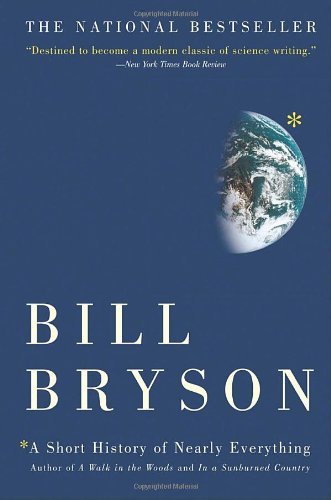
It cannot be said too often - All life is one. That is and I suspect will forever prove to be the most profound true statement there is.

 As far as we can tell we are the best there is, we may be all there is. It's an unnerving thought that we may be the living universe's supreme achievement and it's worst nightmare, simultaneously.

Bacteria may not build cities or have interesting social lives but they will be here when the sun explodes. This is their planet and we are on it only because they allow us to be.

Most of your DNA...is not devoted to you but to itself. You are a machine for reproducing it, not it for you. A life...just wants to be and DNA is what makes it so.


Comentarios

Entradas populares de este blog

Armas, gérmenes y acero

  Armas, gérmenes y acero Jared Diamond Una y otra vez, los pueblos que tienen acceso a los requisitos previos para la producción de alimentos, y que tienen una localización que favorece la difusión de tecnología desde otros lugares, sustituyeron a los pueblos que carecían de estas ventajas. Una y otra vez, cuando una sola oleada de colonizadores se expandió por entornos diversos, sus descendientes se desarrollaron de una manera distinta, dependiendo de esas diferencias del medio.  

The Smartphone Society: Technology, Power, and Resistance in the New Gilded Age

  The Smartphone Society: Technology, Power, and Resistance in the New Gilded Age Nicole Aschoff We can and should tell our own stories about the kind of society we want to live in, technology and all. In doing so, we can foster new ways of thinking about our digital-analog future. But what stories should we tell? How do we deal with the myriad issues raised by our smartphones? - privacy, autonomy, addiction, surveillance, precarity, narcissism, commodification, democracy. A growing number of voices are weighing in on these questions, which is a good thing because, unlike the techno-determinists who until recently have received a disproportionate amount of airtime, it assumes that we can do something. If our future is not to be Silicon Valley´s Dis-Utopia then what is it to be? What is our version of Utopia? Or a more manageable question, What relationship should we have with the technology and corporations that have, largely through our smartphones, come to play a central role in ...

El capital en el siglo XXI

El capital en el siglo XXI Thomas Piketty   El impuesto progresivo sobre el patrimonio individual es una institución que permite al interés general retomar el control del capitalismo, apoyándose en las fuerzas de la propiedad privada y la competencia. Si es el caso, la progresión del impuesto puede ser intensa para las fortunas más grandes, y esto puede hacerse en el marco del Estado de derecho, tras un debate democrático. Es la respuesta más idónea a la desigualdad r>g y a la desigualdad del rendimiento en función del capital inicial.   Leído en 2022